
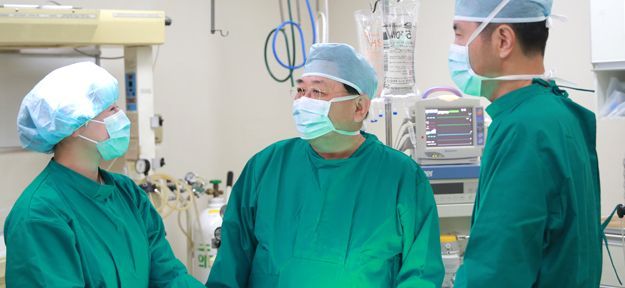
Cervical cyst removal is a minor outpatient procedure to drain, cauterize or excise a cyst on the cervix. Most cervical cysts are Nabothian cysts, small benign mucus-filled bumps that usually need no treatment. Removal is considered when a cyst is large, causes discharge or discomfort, gets in the way of a Pap test, or looks atypical and needs a tissue diagnosis.
- Duration
- About 10–20 minutes
- Anesthesia
- Local; sometimes none or light sedation
- Hospital stay
- Home the same day
- Recovery
- Discharge or spotting for 1–2 weeks
- Pathology
- When tissue is removed
- Cost guide
- ₩100,000–300,000 (general guide)
What is a cervical cyst?
A Nabothian cyst forms when mucus-producing glands on the surface of the cervix become covered by skin-like cells and the mucus is trapped. They are very common, especially after childbirth, and look like small smooth white or yellowish bumps. They are not cancer and are not caused by infection or sexual activity.
Cervical findings that can look similar
| Finding | What it is | Usual approach |
|---|---|---|
| Nabothian cyst | Trapped mucus under the cervical surface | Usually no treatment; removal if symptomatic or unclear |
| Cervical polyp | Soft growth, often on a stalk, from the cervical canal | Removal and pathology; see polypectomy |
| Cervical ectropion | Glandular cells on the outer cervix, red and sometimes bleeding on contact | Reassurance; treatment only if bothersome |
| Abnormal cells (CIN) | Precancerous change, usually linked to HPV | Colposcopy and, if needed, LEEP |
Does a cervical cyst need to be removed?
Usually not. Small Nabothian cysts found on a routine exam or pelvic ultrasound are normally left alone. Removal may be recommended when:
- The cyst is large or there are many cysts enlarging the cervix
- It causes a feeling of pressure, pain during intercourse or persistent discharge
- It makes a Pap test or examination of the cervix difficult
- Its appearance is atypical and other conditions need to be ruled out
- It is repeatedly irritated or bleeds
Nabothian cysts do not usually affect fertility or pregnancy.
How cervical cysts are diagnosed
- Consultation in English Your symptoms, cervical screening history and pregnancy plans are reviewed.
- Speculum exam The cervix is looked at directly; most Nabothian cysts are recognized on sight.
- Transvaginal ultrasound Shows the size and depth of cysts, including those inside the cervical wall, on the same day.
- Screening if due A Pap smear and HPV test can be done at the same visit.
- Colposcopy if needed Magnified examination when the appearance is not typical; see colposcopy.
Removal methods compared
| Method | When it is used | Notes |
|---|---|---|
| Puncture and drainage | Single superficial cyst | Quick; the cyst can refill |
| Electrocautery or radiofrequency | Superficial cysts, often several | Seals the cyst wall to reduce recurrence |
| Excision | Larger or atypical cysts | Allows pathology of the whole cyst |
| Loop excision | When abnormal cells are also present | Same technique as LEEP |
Your gynecologist recommends the least invasive method that suits the size, number and appearance of the cysts.
Mucus-filled cysts on the cervix can cause discharge, pressure or an unclear exam.
After drainage or removal the cervical surface heals, usually within a few weeks.
The procedure and recovery at Yoonho
At Yoonho Women's Hospital in Apgujeong, Seoul, cervical cyst removal is an outpatient procedure. It is ideally scheduled shortly after your period.
- Procedure The cervix is numbed with local anesthetic and the cyst is drained, sealed or removed. Most women feel pressure or brief cramping.
- Day 0–3 Watery or light bloody discharge and mild cramps are common. Use pads, not tampons.
- Up to 2 weeks Avoid intercourse, tampons, baths and swimming while the cervix heals, or as advised.
- Follow-up Pathology results, if tissue was removed, are explained in English in about a week.
Cost and insurance for international patients
As a general guide, cervical cyst removal costs about ₩100,000 to ₩300,000, depending on the method and any pathology or screening tests. A written estimate is given after consultation.
- Residents enrolled in National Health Insurance are usually covered for medically necessary treatment.
- Visitors can request English receipts, a diagnosis and a medical certificate for travel insurance claims.
See all procedures in surgical gynecology.
Why international patients choose Yoonho
Frequently asked questions
Is a Nabothian cyst a sign of cancer?
No. Nabothian cysts are benign. Regular cervical screening is still important, and any cyst with an unusual appearance is checked further.
Can cervical cysts affect fertility or pregnancy?
Typical Nabothian cysts do not usually affect fertility or pregnancy. Very large cysts that narrow the cervical canal are uncommon and are assessed individually.
Can a cervical cyst come back after removal?
Yes, new cysts can form because the cervical glands keep producing mucus. Cautery or excision lowers the chance of the same cyst refilling compared with drainage alone.
Can I have it done during a short trip to Seoul?
Often yes. Diagnosis and removal can sometimes be done on the same day or within a few days. Avoid swimming and intercourse for about 1–2 weeks afterward.
Do I also need a Pap test?
If you are due for cervical screening, a Pap and HPV test can be taken at the same visit, ideally before any treatment of the cervix.

OB-GYN Specialist · Ph.D. · Medical Director
Former Professor of OB-GYN, Chung-Ang University College of Medicine · Former editorial board member, AAGL · 11th President, Korean Society of Aesthetic Gynecology
Last reviewed: . This page is for general information and does not replace an in-person consultation.
Talk to an English-speaking gynecologist
Yoonho Hospital · 304 Apgujeong-ro, Gangnam-gu, Seoul · Mon–Fri 9:00–18:00, Sat 9:00–13:00 · Walk-ins welcome.