

The O-Shot is an elective procedure in which platelet-rich plasma (PRP), prepared from a small sample of your own blood, is injected near the clitoris and into the upper vaginal wall. It is promoted for arousal, orgasm, dryness and mild stress urinary leakage, but evidence comes from small studies, so it is not a first-line or proven treatment.
- Procedure time
- About 45–60 minutes in total
- Anesthesia
- Numbing cream, sometimes local
- Material
- Your own platelet-rich plasma
- Downtime
- Usually minimal
- Evidence
- Limited, small studies
- Cost guide
- Written estimate after consultation
What is the O-Shot?
Platelet-rich plasma (PRP) is the part of your blood that contains a high concentration of platelets and growth factors. PRP is used in some areas of medicine, such as sports injuries and wound care, with mixed results. The “O-Shot” is a trademarked protocol that applies PRP to the genital area, with the idea that growth factors may support blood flow and tissue renewal.
Because your own blood is used, allergic reactions are unlikely. However, “natural” does not mean proven — the main questions are whether it works and for whom. A related injection to the anterior vaginal wall is described on our G-Shot page.
What is the O-Shot used for, and what does the evidence show?
| Promoted use | Current evidence | Established alternative |
|---|---|---|
| Arousal and orgasm | Small, mostly uncontrolled studies | Treating causes, sex therapy |
| Vaginal dryness | Very limited data | Moisturizers, local estrogen |
| Mild stress urinary incontinence | Small studies with mixed results | Pelvic floor training |
| Lichen sclerosus symptoms | Small trials; not superior to steroid cream in some | Prescription steroid ointment |
Research quality is low overall, and well-designed trials are still needed. Our doctors therefore recommend proven treatments first and discuss the O-Shot only as an elective option, without promises.
O-Shot procedure, step by step
- Consultation in English Your symptoms, goals and medical history are reviewed, and the limited evidence is explained along with alternatives.
- Examination A pelvic exam and, if needed, tests rule out infection or other causes that need treatment first.
- Blood draw and preparation A small amount of blood is taken from your arm and spun in a centrifuge to separate the PRP.
- Numbing An anesthetic cream is applied to the vulva for comfort; local anesthetic may be added.
- Injection PRP is injected with a fine needle near the clitoris and into the upper vaginal wall.
- Aftercare You go home the same day with written aftercare instructions. Normal activity can usually resume quickly; ask about timing for intercourse.
- Reduced arousal or orgasm
- Mild dryness or leakage
- Interest in a “natural” option
- Unclear what the evidence shows
- Proven treatments considered first
- An informed decision on an elective option
- Some women report improved arousal; others notice no change
- Effects, if any, are not permanent
Risks and side effects
- Temporary swelling, tenderness or bruising
- Spotting or a feeling of fullness for a day or two
- Infection (uncommon)
- Temporary increased sensitivity or discomfort
- No noticeable benefit
The O-Shot is generally not suitable during pregnancy, with active genital infection or cancer, with certain blood or platelet disorders, or while taking some anticoagulant medicines.
Timeline after an O-Shot
- Day 0 Mild swelling or sensitivity is common. Avoid tampons on the day.
- Days 1–3 Most women resume daily activities. Follow advice on intercourse.
- Weeks 3–12 Any changes that occur are usually reported during this period.
- Follow-up Review of how you feel and whether further treatment is reasonable.
Cost and insurance
The O-Shot is elective and its cost depends on the preparation system and number of sessions; you will receive a written estimate after consultation. Residents enrolled in Korea’s National Health Insurance (NHIS) are generally covered for medically necessary consultations and tests, while elective or aesthetic treatments are not. Read more about health insurance for foreigners at Korean clinics, or ask for an itemized receipt and English diagnosis for travel insurance claims.
Why international patients choose Yoonho
Frequently asked questions
Does the O-Shot really work?
Some women report improvements, but the studies are small and many lack a comparison group. It cannot be considered a proven treatment, and results are unpredictable.
How long do O-Shot results last?
There is no reliable long-term data. Clinics that offer it often describe effects lasting months, but this varies and cannot be predicted.
Is the O-Shot painful?
Numbing cream and fine needles reduce discomfort. Most women feel brief pressure or stinging during the injections.
Can I have an O-Shot on a short visit to Seoul?
Yes, it is an outpatient procedure, but a consultation and exam come first. Allow at least a day or two before flying in case of swelling.
Is it covered by insurance?
No. It is an elective procedure and is not covered by NHIS or most travel insurance.
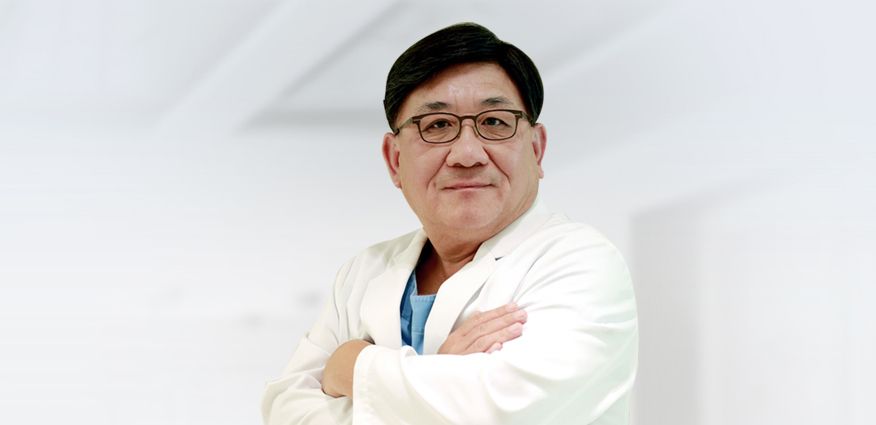
OB-GYN Specialist · Ph.D. · Medical Director
M.D., M.Med. & Ph.D., Chung-Ang University · OB-GYN specialist training, Eulji University Medical Center · Member, Korean Society of Obstetrics and Gynecology
Last reviewed: . This page is for general information and does not replace an in-person consultation.
Talk to an English-speaking gynecologist
Yoonho Hospital · 304 Apgujeong-ro, Gangnam-gu, Seoul · Mon–Fri 9:00–18:00, Sat 9:00–13:00 · Walk-ins welcome.