
Surgical gynecology covers operations on the uterus, cervix, ovaries, vulva and pelvic floor. At Yoonho Women's Hospital in Apgujeong, Seoul, most procedures are minimally invasive, such as hysteroscopy, laparoscopy and LEEP, and many patients go home the same day. Surgery is offered only after examination, ultrasound and a discussion of non-surgical alternatives in English.
- Approaches
- Hysteroscopic, laparoscopic, vaginal, minor outpatient
- Anesthesia
- Local, sedation or general, by procedure
- Hospital stay
- Often same day; some need 1–3 nights
- Lead surgeon
- Dr. Jung-Ho Seo, gynecologic surgery
- Language
- Consultation and consent in English
- Documents
- English diagnosis, receipts, certificates
What does surgical gynecology at Yoonho cover?
Surgical gynecology is the part of women's health that treats conditions with a procedure rather than (or in addition to) medication. At Yoonho Women's Hospital in Apgujeong, Seoul, the focus is on minimally invasive procedures that avoid large incisions where it is safe to do so.
| Area | Typical problems | Examples of procedures |
|---|---|---|
| Inside the uterus | Heavy or irregular bleeding, polyps, submucosal fibroids | Hysteroscopy, polypectomy, hysteroscopic myomectomy, endometrial ablation, D&C |
| Ovaries and pelvis | Ovarian cysts, endometriosis, pelvic pain | Laparoscopy, ovarian cystectomy |
| Cervix | Abnormal Pap or HPV results, cervical cysts | LEEP, cervical cyst removal |
| Vulva and vaginal opening | Bartholin's cysts, lumps and lesions | Drainage, marsupialization, excision and biopsy |
| Pelvic floor | Prolapse, perineal weakness, stress incontinence | Prolapse repair, uterine suspension, perineal repair, sling surgery |
Many of these problems are first assessed in general gynecology, where a pelvic ultrasound often clarifies whether surgery is needed at all.
Hysteroscopy, laparoscopy or a minor procedure — what is the difference?
| Hysteroscopic | Laparoscopic | Minor / vaginal | |
|---|---|---|---|
| Access | Through the vagina and cervix, no skin incision | 2–4 small abdominal incisions | Directly at the cervix, vulva or vagina |
| Used for | Polyps, submucosal fibroids, lining problems | Ovarian cysts, endometriosis, adhesions | LEEP, Bartholin's cyst, vulvar lesions, perineal and prolapse repair |
| Anesthesia | Local, sedation or brief general | General | Local, sedation, spinal or general |
| Typical stay | Same day | Same day to 1–2 nights | Same day; pelvic floor repairs may need a short stay |
| Back to desk work | 1–2 days | About 1–2 weeks | A few days to several weeks |
The right approach depends on the diagnosis, the size and location of the problem, your age, fertility plans and general health. Your surgeon will explain why a particular approach is suggested and what the alternatives are.
Do I actually need surgery?
Not always. Many gynecologic findings can be watched or treated with medication first. For example, simple functional ovarian cysts often resolve on their own, small fibroids without symptoms may need only monitoring, and mild prolapse often improves with pelvic floor training or a pessary.
Surgery is usually discussed when:
- Symptoms such as heavy bleeding, pain or pressure affect daily life despite other treatment
- A lesion needs tissue for diagnosis (biopsy or pathology)
- A cyst or mass is growing, persistent or has features that need closer evaluation
- Fertility may be affected, for example by a polyp or submucosal fibroid
- An abscess or acute problem needs drainage
If you have already been told you need an operation elsewhere, a second opinion in English is welcome. Bring previous reports and images.
- Unclear diagnosis or conflicting advice
- Worry about large incisions and long recovery
- Language barrier when signing consent
- Uncertainty about cost and documents
- Diagnosis confirmed by exam and ultrasound
- Minimally invasive options considered first
- Consent, risks and aftercare explained in English
- Written estimate and English documents
How does a surgical visit at Yoonho work?
- First consultation Your symptoms and history are reviewed in English, followed by an examination and, when relevant, a same-day ultrasound.
- Diagnosis and options The doctor explains the findings, whether surgery is needed, non-surgical alternatives, risks and recovery, and gives a written cost estimate.
- Pre-operative checks Blood tests, a pregnancy test and other checks are arranged as needed. Fasting instructions are given if sedation or general anesthesia is planned.
- Procedure day You sign consent after your questions are answered. Many procedures are done as day surgery.
- Recovery and aftercare You rest in the recovery area and go home with written aftercare instructions and a contact number.
- Follow-up and results Pathology results and next steps are explained in English; English documents are available for your home doctor or insurer.
All surgical gynecology procedures
Choose a procedure to read what it involves, recovery time, risks and a general cost guide.
Safety, risks and recovery
Every operation carries some risk, even minor ones. General risks include bleeding, infection, reaction to anesthesia, injury to nearby organs (bladder, bowel or blood vessels) and, for some procedures, the possibility that symptoms return. Your surgeon will discuss the risks that apply to your procedure and your health.
- Tell the doctor about medications, especially blood thinners, and any allergies
- Plan for a companion to take you home after sedation or general anesthesia
- If you are traveling, share your flight date so surgery and follow-up can be timed safely
- Follow written aftercare instructions on bathing, intercourse, exercise and lifting
Cost and insurance for international patients
Costs vary with the procedure, anesthesia, pathology and length of stay. As a general guide, outpatient procedures such as LEEP are typically in the hundreds of thousands of won, while laparoscopic or pelvic floor surgery may range from about ₩1,500,000 to several million won. A written estimate is given after consultation.
- Residents enrolled in Korea's National Health Insurance may have medically necessary procedures partly covered — see health insurance for foreigners.
- Travelers can request itemized receipts, an English diagnosis and medical certificates for travel insurance claims.
For booking help, documents and logistics, see international patient services.
Why international patients choose Yoonho
Frequently asked questions
Can I have gynecologic surgery in Seoul as a tourist?
Yes, many procedures are available to visitors with a passport. Plan enough time for the consultation, any tests, the procedure and at least one follow-up before you fly.
Will the surgeon speak English?
Consultations, consent and aftercare instructions are given in English, and English documents such as diagnoses, receipts and medical certificates are available.
How soon can I fly after surgery?
It depends on the procedure. After hysteroscopy or minor procedures many patients can fly within a few days; after laparoscopy or pelvic floor surgery a longer wait is usually advised. Your surgeon will give personal advice.
Do I need a referral?
No referral is needed. You can book or walk in during opening hours for a first consultation; bring previous reports and images if you have them.
Is gynecologic surgery covered by insurance in Korea?
Medically necessary procedures may be partly covered for people enrolled in National Health Insurance. Travelers usually pay and then claim from their travel or international insurer using English documents.
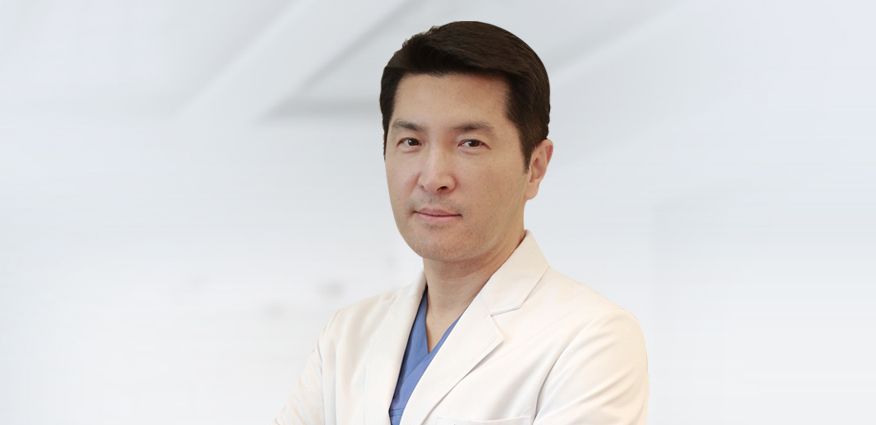
OB-GYN Specialist · Ph.D. · Medical Director
Former Professor of OB-GYN, Chung-Ang University College of Medicine · Former editorial board member, AAGL · 11th President, Korean Society of Aesthetic Gynecology
Last reviewed: . This page is for general information and does not replace an in-person consultation.
Talk to an English-speaking gynecologist
Yoonho Hospital · 304 Apgujeong-ro, Gangnam-gu, Seoul · Mon–Fri 9:00–18:00, Sat 9:00–13:00 · Walk-ins welcome.