

Episiotomy scar revision is a minor operation that removes painful, tight or irregular scar tissue from a previous episiotomy or perineal tear and repairs the area in fresh layers. It is considered when scar care, lubricants and pelvic floor therapy have not helped, usually at least 6–12 months after birth, and is offered at Yoonho Women’s Hospital in Apgujeong, Seoul.
- Duration
- About 30–60 minutes
- Anesthesia
- Local, sedation or brief general
- Hospital stay
- Usually same day
- Timing
- Often 6–12 months postpartum
- No intercourse
- About 6 weeks
- Insurance
- Depends on medical indication
Why do episiotomy scars sometimes cause problems?
An episiotomy is a cut made in the perineum (the area between the vagina and anus) during birth; a perineal tear happens naturally. Most heal well within weeks. Sometimes the scar heals thick, tight or uneven, or the layers do not line up, leading to:
- Pain or a pulling sensation, especially during sex ( pain during intercourse)
- A tender lump, skin tag or "dog ear" at the scar
- A narrowed or, conversely, gaping vaginal opening
- Irritation, difficulty with tampons, or a feeling that the area looks different
Hormone changes while breastfeeding can make the tissue thinner and more sensitive, so some symptoms improve once periods return.
Treatment options compared
| Option | Helps with | Notes |
|---|---|---|
| Scar massage and lubricants | Mild tightness and dryness | First step, done at home after instruction |
| Local estrogen cream | Thin, sensitive tissue while breastfeeding or after menopause | Prescription; discussed with your doctor |
| Pelvic floor therapy | Muscle tension, pain with sex | Often combined with other options |
| Surgical scar revision | Thick or painful scar, skin tags, distorted opening | Scar removed and layers repaired |
| Perineoplasty | Weak or gaping perineum after birth | Rebuilds the perineal body |
How the revision is done
- Assessment in English Dr. Joonho Cho reviews your birth history, examines the scar and pelvic floor, and checks for infection or other causes of pain such as vulvodynia.
- Choosing the timing Surgery is usually planned once the tissue has fully matured, typically 6–12 months after birth.
- Anesthesia Local anesthesia, sedation or brief general anesthesia depending on the extent.
- Scar excision and repair The painful scar tissue is removed and the muscle and skin are closed in layers with absorbable stitches.
- Aftercare You go home the same day in most cases, with written English instructions and pain relief.
- Pain or pulling at the scar during sex
- Tender lump or skin tag
- Tight or uneven vaginal opening
- Discomfort when sitting
- Aims to replace scar with softer tissue
- Many patients notice less pain with intimacy
- Smoother, more even perineum
- Combined with pelvic floor care when needed
Recovery and risks
- Week 1 Soreness when sitting; use a cushion, sitz baths if advised, and stool softeners to avoid straining.
- Weeks 2–3 Most return to normal daily activities and desk work.
- About 6 weeks Intercourse and strenuous exercise are usually resumed after a check-up.
- 2–3 months The new scar softens and settles.
Risks include bleeding, infection, wound breakdown, a new scar that is still tender, and, rarely, persistent pain. Revision improves symptoms for many women, but it cannot always remove all discomfort, especially when nerve sensitivity or muscle tension also play a role.
Revision vs. perineal repair: which page fits you?
Scar revision focuses on a painful or uneven scar. If the perineal muscles themselves were damaged, for example after a larger tear, a broader perineal repair may be needed. If the main concern is looseness rather than pain, see vaginal tightening options.
Cost, insurance and documents
The fee depends on the extent of revision and anesthesia, and you receive a written estimate after examination. When the revision treats pain or a functional problem, part of the cost may be covered for those enrolled in Korean National Health Insurance; purely cosmetic changes are not. At Yoonho Women’s Hospital in Apgujeong, Seoul, English diagnoses, itemized receipts and certificates can be prepared for insurance claims.
Why international patients choose Yoonho
Frequently asked questions
How long after childbirth can I have scar revision?
Most doctors wait until the scar has matured, usually 6–12 months after birth, and ideally after breastfeeding has reduced or stopped. Earlier assessment is still useful to start non-surgical care.
Is it normal for sex to hurt after an episiotomy?
Some discomfort in the first months is common. Pain that persists beyond about six months, or that is getting worse, deserves an examination because it is often treatable.
Will I need another episiotomy in a future birth?
Not necessarily. Previous revision does not automatically mean another episiotomy; this is discussed with your obstetrician during pregnancy.
Can I fly home after the procedure?
Many patients fly after the first week once the wound check is done. Long flights can be uncomfortable when sitting, so a cushion helps.
Is the procedure covered by insurance?
It depends on whether it treats a medical problem such as pain. We provide English documents so you can check with your insurer.
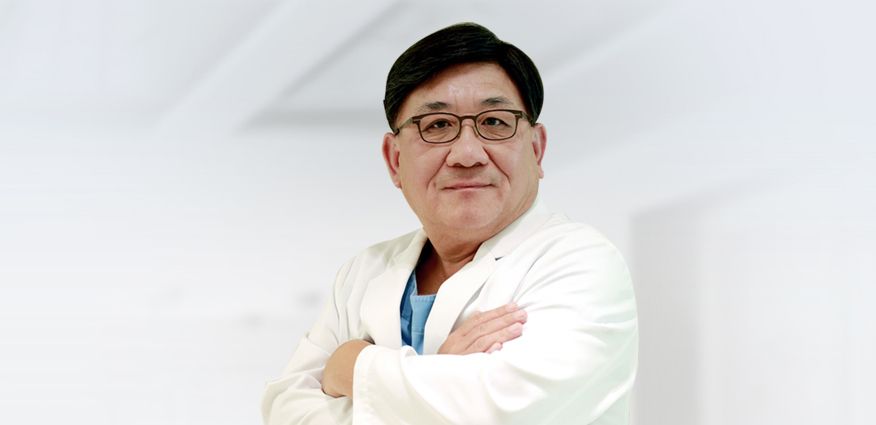
OB-GYN Specialist · Ph.D. · Medical Director
M.D., M.Med. & Ph.D., Chung-Ang University · OB-GYN specialist training, Eulji University Medical Center · Member, Korean Society of Obstetrics and Gynecology
Last reviewed: . This page is for general information and does not replace an in-person consultation.
Talk to an English-speaking gynecologist
Yoonho Hospital · 304 Apgujeong-ro, Gangnam-gu, Seoul · Mon–Fri 9:00–18:00, Sat 9:00–13:00 · Walk-ins welcome.