
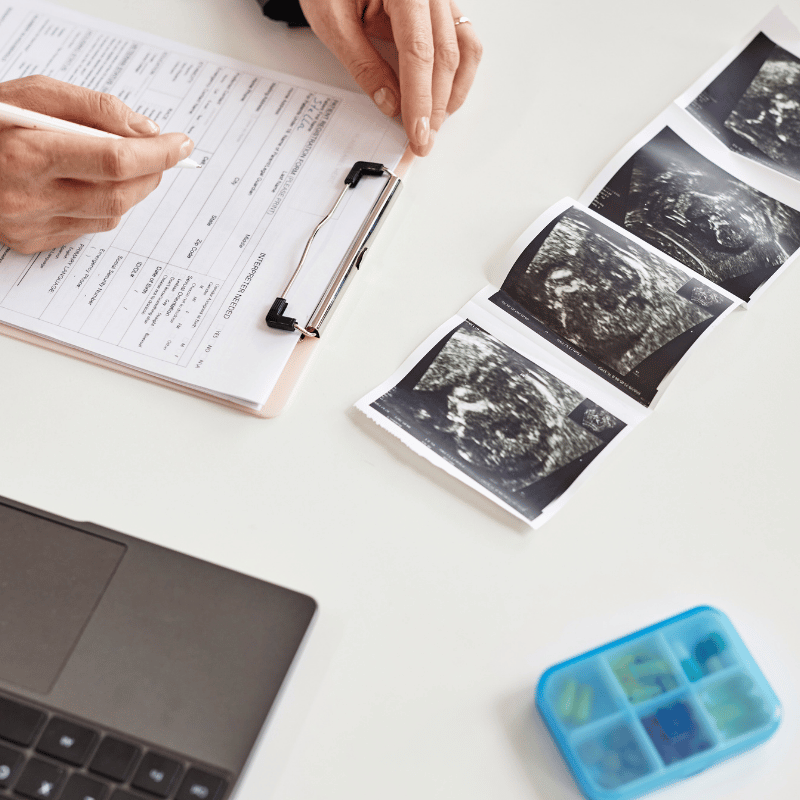
Foreigners staying in Korea for 6 months or longer are generally enrolled in National Health Insurance (NHIS) and pay only a co-payment for covered care. Short-term visitors usually pay the full fee at the visit and claim it back from travel or international insurance. At Yoonho Women's Hospital in Apgujeong, English receipts and medical certificates are available for claims.
- NHIS enrollment
- Generally after a 6-month stay
- Show at reception
- ARC (or passport)
- Usually covered
- Medically necessary care
- Usually self-pay
- Cosmetic and elective care
- Visitors
- Pay at visit, claim later
- Claim documents
- Available in English
Am I covered by Korean National Health Insurance?
| Your situation | Typical coverage | What to bring |
|---|---|---|
| Resident staying 6+ months | Generally enrolled in NHIS (as a regional subscriber) | ARC |
| Employee of a Korean company | NHIS through your workplace | ARC |
| International student | Generally enrolled in NHIS | ARC |
| Family dependent | May be covered under an enrolled family member | ARC |
| Tourist or short-term visitor | Not NHIS — self-pay | Passport and your travel insurance details |
Rules depend on visa type and length of stay and can change. If you are not sure, check with the NHIS customer center (1577-1000, foreign-language service available) or show your ARC at reception so staff can check your eligibility.
What does NHIS cover at a gynecology clinic?
NHIS covers medically necessary care; you pay a co-payment share and NHIS pays the rest. Items outside the benefit list are self-pay even for enrolled patients.
| Often covered when medically necessary | Usually self-pay |
|---|---|
| Consultation for symptoms | Cosmetic gynecology |
| Diagnostic tests for symptoms, e.g. ultrasound for pain or bleeding | Abortion |
| Treatment of infections such as UTI or vaginitis | Elective screening packages beyond national programs |
| Medically indicated surgery, e.g. for fibroids or cysts | Many vaccines for adults, such as HPV |
| National cervical screening (20+, every 2 years) | Many screening-only STD panels |
Korea's national program also offers mammography every 2 years from age 40 to enrolled women. For screening details, see the Pap smear guide for foreigners.
Paying as a visitor or with travel insurance
- Check your policy Look for outpatient cover and exclusions such as pre-existing conditions, pregnancy, contraception and elective or cosmetic procedures.
- Ask for an estimate For tests or procedures, ask for a written estimate before you agree to treatment.
- Pay at the visit Direct billing to overseas insurers is uncommon at Korean clinics, so plan to pay and claim afterward. Ask in advance if your insurer can arrange direct payment.
- Request documents the same day Ask for the itemized receipt, detailed statement and an English certificate with the diagnosis before you leave.
- Submit your claim Send copies to your insurer and keep the originals.
- Unsure whether your visa means NHIS coverage
- Paying without itemized receipts
- Claim delayed by a missing diagnosis code
- Surprised by self-pay items
- Coverage checked with your ARC at reception
- Itemized receipt and statement in hand
- English certificate with a diagnosis code
- Written estimate before any procedure
Which documents do insurers usually ask for?
| Document | Korean name | What it shows |
|---|---|---|
| Receipt | 진료비 영수증 | Amount paid and payment date |
| Detailed statement | 진료비 세부내역서 | Itemized tests, treatments and medicines |
| Diagnosis certificate | 진단서 | Diagnosis with a disease code, signed by the doctor |
| Medical opinion | 소견서 | Doctor's summary of findings and treatment |
| Prescription copy | 처방전 | Medicines prescribed |
Some certificates carry an issuance fee set by the clinic. For a full walkthrough, see medical documents for travel insurance claims in Korea.
Tips to avoid surprises
- Bring your ARC to every visit; coverage is checked at registration.
- Tell reception if you want to use NHIS, private insurance or both.
- Ask which items are covered and which are self-pay before tests or procedures.
- Request English documents at the visit rather than weeks later.
- Residents can generally use medical receipts for Korea's year-end tax settlement.
How coverage applies to common women's health visits
- Women's health checkup — national screening items may be covered for enrolled women; extra tests are usually self-pay.
- IUD insertion — contraception is generally self-pay; a hormonal IUD for a medical problem such as heavy bleeding may be covered.
- Fibroid treatment — medically necessary diagnosis and surgery are generally covered for enrolled patients.
- Cosmetic gynecology and abortion — not covered by NHIS.
Why international patients choose Yoonho
Frequently asked questions
Can tourists use Korean National Health Insurance?
No. NHIS is for enrolled residents. Short-term visitors pay the full fee and can claim from travel or international health insurance with the right documents.
I just got my ARC. Am I covered yet?
Most foreigners are enrolled after 6 months of stay, though some, such as employees and students, may be enrolled earlier. Check with NHIS (1577-1000) or ask reception to check with your ARC.
Can Yoonho bill my overseas insurer directly?
Direct billing is uncommon, so most patients pay at the visit and claim afterward. If your insurer can arrange direct payment, contact us before your visit.
Are the documents available in English?
Yes. Yoonho can provide English receipts, diagnosis certificates and medical certificates on request; some certificates carry a fee.
Is STD testing covered by insurance?
Screening panels are usually self-pay for non-nationals. Testing for symptoms may be partly covered for NHIS-enrolled patients; ask before testing.
OB-GYN Specialist · Director of OB-GYN
M.D., Ewha Womans University College of Medicine · Former Clinical Instructor, Ewha Womans University Mokdong Hospital · Member, Korean Society of Menopause
Last reviewed: . This page is for general information and does not replace an in-person consultation.
Talk to an English-speaking gynecologist
Yoonho Hospital · 304 Apgujeong-ro, Gangnam-gu, Seoul · Mon–Fri 9:00–18:00, Sat 9:00–13:00 · Walk-ins welcome.